


Understanding Carbohydrates, Fats, and Protein: A Simple Guide to Nutrition

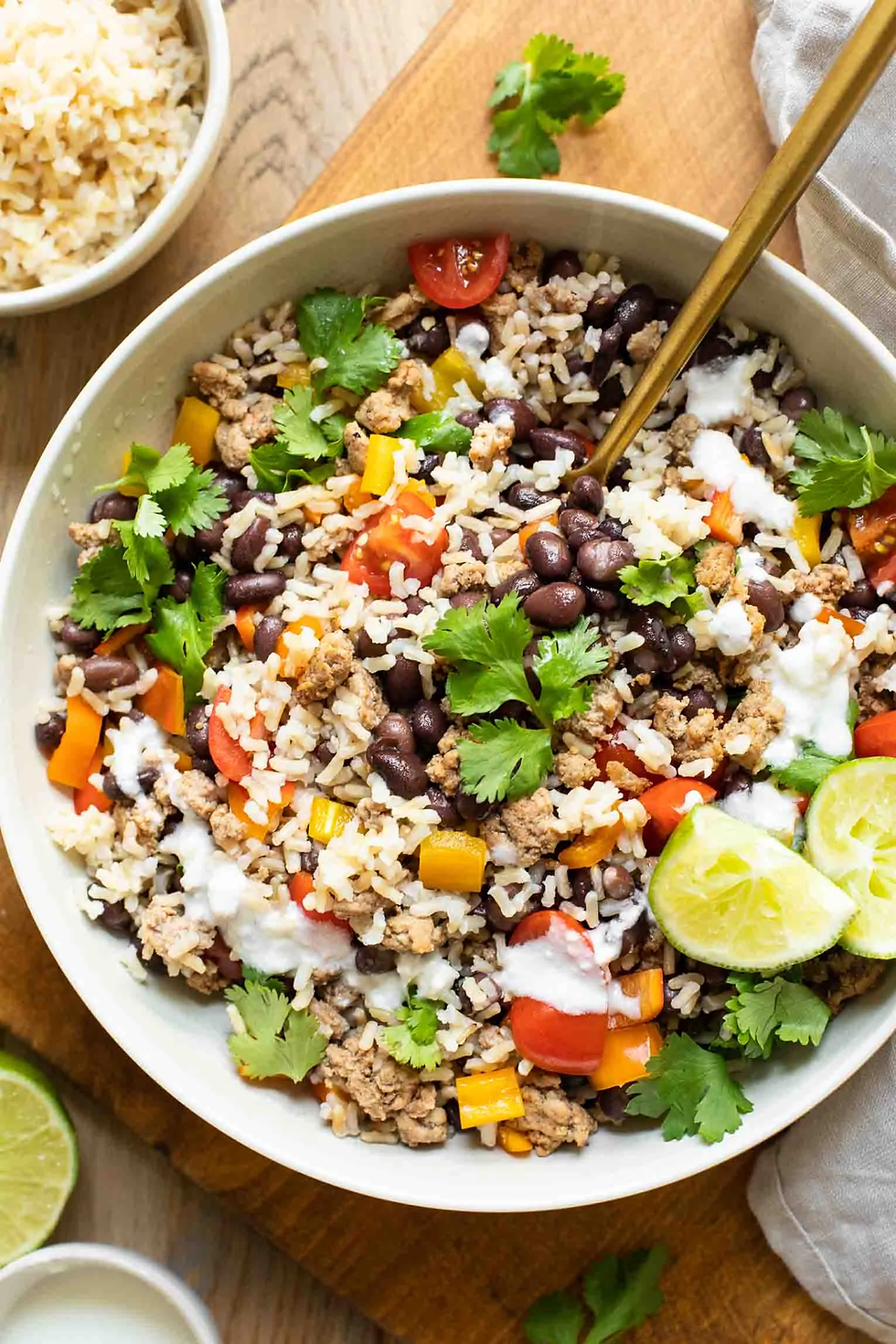
For those who aren't preparing for a bodybuilding stage, nutrition doesn't need to be terribly complicated. For most people, a good nutrition plan starts with understanding the basics: Calories, protein, carbohydrates, fats, quality food choices, hydration, and consistency.
You don't need to eliminate carbohydrates, avoid dietary fat, or eat massive amounts of protein to make progress. You need to understand what these nutrients do and learn how to use them to support your goals.
Here are some balanced recipes:
Carbohydrates

Carbohydrates are one of the body's primary sources of energy. Foods such as vegetables, oats, rice, grits, sweet potatoes, fruit, whole grains, beans, and other carbohydrate-containing foods provide energy that your body can use during daily activity and exercise. Some of that carbohydrate can also be stored as glycogen in your muscles and liver.
Carbohydrates are particularly useful for people who train regularly because muscle glycogen helps fuel demanding exercise. This doesn't mean you need to eat a high-carbohydrate diet. Your carbohydrate needs depend on your activity level, training, calorie intake, and goals.
If you're trying to reduce body fat, you don't automatically need to eliminate carbohydrates. If you're trying to build muscle or improve your training performance, you may benefit from having more. The right amount depends on the individual.
Are Carbohydrates Fattening?
Eating carbohydrates does not automatically cause body-fat gain. Body fat increases when you consistently consume more energy than your body uses over time. Carbohydrates can certainly contribute calories to your diet, but they aren't uniquely responsible for gaining body fat.
Highly processed, calorie-dense foods can make it easy to consume more calories than you realize. It is important to make foods such as beans, whole grains, potatoes, oats, rice, fruit, vegetables like peppers, mushrooms, broccoli “tops", zucchini, and leafy greens part of your diet. You don't need to eliminate carbohydrates completely, use them according to your goals and activity level. Adjust as needed.
Protein

Protein provides the amino acids your body needs to build and maintain muscle and support recovery. Protein is also important when you're trying to reduce body fat. Keeping protein intake adequate while resistance training can help you retain more lean muscle tissue reaching your individual goal.
Free recipe guide:
Good sources of protein include:
Chicken and turkey
Lean beef
Fish and other sea creatures
Eggs
Greek yogurt
Cottage cheese
Beans and legumes
Tofu and other soy foods
Whey and other protein supplements
Lean Pork
How Much Protein Do You Need?
A practical starting point for someone who regularly strength trains are approximately 0.7 -- 1.0 gram of protein per pound of body weight per day or approximately 1.5 -- 2.2 grams of protein per kilogram of body weight per day. Some, depending on goals, activity level may need more or less, but this is a good point to start at for most.
For example, someone weighing 180 pounds could start around 125–180 grams of protein per day.
Focus on getting enough total protein throughout the day. Spreading protein across several meals can make it easier to reach your daily target and provide multiple opportunities to support muscle protein synthesis. Total daily protein intake matters more than trying to make every meal perfect.
Dietary Fat

Dietary fat is another essential part of a healthy diet. Fat provides approximately 9 calories per gram, making it more calorie-dense than protein and carbohydrates. Both protein and carbohydrates provide 4 calories per gram. This is important to remember if you're trying to control your calorie intake, but it doesn't mean you should eliminate fat.
Dietary fat provides essential fatty acids and helps support normal cell function, the absorption of the fat-soluble vitamins A, D, E, and K, and normal hormone production and function.
Good sources of dietary fat include:
Avocados
Nuts and seeds
Olive oil
Fatty fish
Eggs
Some dairy products
Natural sources of fat found in meat and other foods
Unsaturated fats should generally make up a significant portion of the dietary fat you consume, while saturated fat should be generally limited to less than 10% of your total daily calories. Again, the goal isn't to eliminate fat. The goal is to consume an appropriate amount for your calorie needs and goals while emphasizing the quality of sources.
What About Sugar, Processed Foods, and "Bad" Foods?
A diet built primarily around nutrient-dense foods such as lean proteins, fruits, vegetables, whole grains, potatoes, beans, and healthy sources of fat is a great foundation.
That doesn't mean you can never have the other foods that you enjoy. Instead, make nutrient-dense foods the foundation of your diet while leaving room for flexibility. A diet you can actually follow is more useful than a "perfect" diet you can't maintain. As mentioned in other blogs, consistency triumphs when it is applied properly and sustained over time.
To learn more about the pitfalls of overly processed foods check out this:
How Do You Put It All Together?
A simple way to build most meals is to start with:
Protein + carbohydrate + fruits or vegetables + an appropriate amount of fat.
For example:
Chicken, rice, and broccoli
Fish or your choice of sea creature, sweet potatoes, and green beans
Greek yogurt, oats, and berries
Lean beef, sweet potato, sauteed mushrooms, leafy greens, and peppers
Whole eggs, egg whites, or combo (depending on goal), grits, avocado, and blueberries
For easy chicken marinades click here:
The portions will depend on your calorie and macronutrient needs, as well as your food choices. This is simply an example, or perhaps a few foods you hadn't considered. The foods themselves don't necessarily need to change dramatically. The quality of food matters and on the other hand the amount you eat can change according to your goal.
Hydration Matters Too

Water is your primary source of hydration, and your fluid needs increase with exercise, heat, humidity, and sweat loss. Pay attention to your activity level, environment, thirst, and sweat losses. If you're training hard, particularly in hot conditions or for longer periods, fluids and electrolytes can become more important.
What About Supplements?

Supplements can have a place in a nutrition plan, but they should complement your diet and training rather than try to make up for the lack of either. Protein powder, for example, can be a convenient way to help you reach your daily protein target. It isn't fundamentally different from getting protein from food; it's simply a convenient option.
The same can be said for supplements such as a multivitamin, fish oil, or creatine. In some cases, reaching an effective daily intake through food alone can be less practical, making supplementation a convenient and efficient option.
Start with your diet, training, sleep, hydration, and overall consistency, and you may be surprised by what you can accomplish before ever needing to complicate or bugger things up.
The Bottom Line
You need enough total calories to support your goal, adequate protein, appropriate amounts of carbohydrates and fats, quality food choices, hydration, and consistency.
Build your meals around nutritious foods, eat enough protein, use carbohydrates to support your activity and training, and include quality sources of dietary fat. Stay hydrated, monitor your progress, and adjust when necessary. Above all, stay consistent. Adhering to a well-structured nutrition and training program goes a long way towards achieving the best results.
Sample workout Program:


Comments